How to Appreciate Opera ~ Where to Start? ~ Part III

Opera is grand theater. An opera is a story that is set to classical music. The opera plays out in musical form some challenge to the life of one or several characters. We watch as the characters try to work out the complexity that is all human relationships. The setting may be in a mythical land, palace, courtyard or kitchen. This is storytelling in the most elaborate form. At its core, a well-staged, costumed, sung and composed opera is a reflection of our hopes, dreams and desires on the theatrical stage. The fascination with opera can be the lure of the social experience that pleases so many senses in a beautiful way.

This article is written for the person how takes an interest and is confounded on how to begin to appreciate this art. Given the complexity of languages, availability and numerous compositions, where does one start? How do you pick the first opera to watch? Earlier articles focused on some basic lingo and explanation of what was happening.  A libretto and aria were explained accompanied with video clips from “Lucio Silla” by Wolfgang Amadeus Mozart. The combination of short text, libretto and video hopefully, informed the reader about the aria. Opera is complex and there is a great deal of lingo to digest.

But, the reader may not want to fuss about at this time with short articles and illustrations on aspects of opera. It may be time to try one out and just wing the lingo. Does it really matter at this time, who is the vocal artist? Everyone finds their own way into opera but selection of one particular artist to explore, may be a way in. If the voice of Placido Domingo, Leontyne Price or Maria Callas, is enjoyable to you, it will be an encouragement to listen. If the reader has access to this blog, than they also have access to You Tube. I highly recommend watching and listening to sections of operas at first to get used to this art form.

Also, the reader needs to realize that opera is performed live. Considering the length of some operas and complexity of story, it is to be appreciated how good the artists are. An opera singer must have excellent vocal skills and breath control, be able to project without a microphone, remember the dialogue in each opera, act out the role and be part of the ensemble. There is a lot happening at once on the stage. The person who can perform at this level is indeed to be admired and applauded.
Début by Rossini – La Cenerentola

My recommendation for a first opera would be: La Cenerentola or Cinderella. The music was composed by Gioachino Rossini. The libretto was written by Jacopo Ferretti. The opera is based on the French fairytale of Cendrillion by Charles Perrault. The premier performance was in Rome at Teatro Valle on January 25, 1817. This opera is generally quite popular and there are several excellent recordings available.

The opera of La Cenerentola follows the familiar story of Cinderella. In Italian, Cenerentola translates as nobody or a stray dog. Instead of a glass slipper, we have a matched pair of bracelets. The fairy godmother is now a wise mysterious tutor to the Prince named Alidoro which translates to mean Golden Wings. The stepmother becomes the buffoon Don Magnifico. The story is set at the home of Don Magnifico, in the household are his two daughters and step daughter, Angelina. Angelina is the put upon waif longing for love. Prince Ramiro arrives in the disguise of a groom. The valet Dandini takes on the role of the Prince and moves about freely getting to know the Don Magnifico household. The Prince wants to be able to get to know the ladies as an ordinary person so as to better discern sincerity from opportunity. He must marry to keep his place in society but wants to marry happily and not only out of duty. The story unfolds with the daughters competing for the Prince’s attention. Don Magnifico shamelessly pushes the daughters at the Prince. Angelina is noticed by both the Prince and Dandini. The Prince and Angelina fall in love at sight. The opera works on the challenge, how to get these two together. In the end, they are united and as the fairy tale says, lived happily ever after.

Dandini and Don Magnifico
One of the most delightful characters is Dandini. He is a classic opera character playing a trusted servant within a wealthy household. He is dependent upon his wits and ways to maintain discretion in his position as valet to the Prince. He is privy to much and while not a “friend” in affection, he is a friend to the Prince in his freedom to mix and move in society where the Prince cannot. The character of Dandini appears often in the genre of dramma giocoso or a playful drama. Or more often in opera buffa or opera for the common person.

Prince Ramiro and Dandini switch roles, another common occurrence in operas. Often players are masked or in disguise in order to better assess a situation without the encumbrance of rank. People behave differently dependent upon who they think you are. This is basic human nature. Here is a link to this moment with the entire cast. The Prince and Dandini appear as their true selves and let everyone know about the ruse. Here is a fine example of Rossini interweaving all the cast together.

Perhaps because I knew the story of the Prince and Cinderella, I took less interest in their experience than that of Dandini and Don Magnifico. Or, it could be that the characters appealed to me as something new and were a bit of a mystery. The performances were captivating and well-acted. IMHO, I thought they stole the show. The role of Cinderella as written and sung was a bit too innocent to be believed at times. Angelina goes about her sad day singing about being saved by a King. She is all innocence and goodness. She escapes into this fantasy world to tolerate the drudgery of her existence. It’s a sad life.

There is nothing innocent about Dandini or Don Magnifico. Each survives on their wits and morals or lack thereof. They are experienced men of the world able to understand the roles they play in society yet are always willing to push the boundaries. They have confidence in a positive outcome and will work with what is given to achieve their goals. In other words, I found them highly likeable and their characters more appealing than Cinderella. The interactions of the two during the opera were funny. I had the impression they could both walk away from their current situation without a look back. They know how to blend into circumstances and make the best of it.

Music ~ Aria, Duet, Ensemble

This opera is very well composed. The music is fine, but it is more the presentation of the arias, duets, etc… That made it a satisfying experience. Rossini put to music the libretto (story) and composed all the vocals for the performers. He cleverly weaves arias (solo) into duets (two singers), into ensembles (many singers). Rossini goes back and forth in this manner so that the effect is one long gorgeous song no matter how many people are on stage or who is singing. There is no “star” of the show, it’s an ensemble performance. The opera moves forward, unrushed in a most natural manner. Some composers can lose something in the transitions from aria back to recitative, to duet, etc… Rossini does not. Once in a while, when the composer wants us to be aware of a transition of time in the story or place, as in the hours of night tick into dawn, or moving to the palace, he does pause with the set empty and only the music moving the story forward. This is skillful and at moments is brilliant to watch.
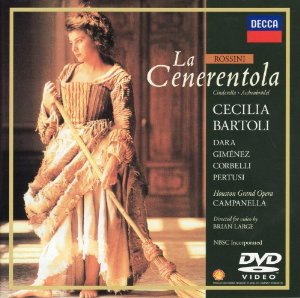
Readers can watch the YouTube posting of the entire opera by clicking on this link. Or, readers may purchase one of the following recommended DVDs. Or, readers may utilize their local library and ask the librarian to search the catalog and find for loan.


La Cenerentola: Rossini
Decca 1996 Houston Symphony
Bartoli, Dara, Gimenez, Corbelli, Pertusi
Director: Christoph Eschenbach

La Cenerentola: Rossini
Deutsche Grammophon 2006
Von Stade, Araiza, Desderi
Conductor Claudio Abbado
Director: Jean-Pierre Ponnelle
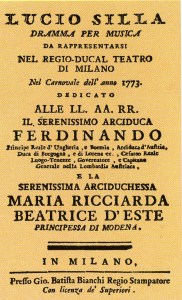
Opera! How to Appreciate and Listen to Opera ~ Part II

The Aria Continued

This is the second of a series of articles about how to listen to and appreciate opera. For whatever reason, the interest to appreciate opera comes and so what to do? How can the average person gain entry into this fine art. I have been a casual listener of classical and operatic music for some time. Only in the last year have I taken a light interest into a fun and exciting hobby. I have used the available resources to find a way into this grand theater and hope to take a few readers along with me. This article will describe an aria in finer detail and provide a few samples for the reader to listen to. Hopefully, the beauty and delight I have found will encourage the curious beginner to explore. Opera at its core is story telling expressed through the fine arts of music and vocal artistry. Opera is the human experience of emotions, desires and dreams.

The reader can set aside the notion of needing to understand the language in which the opera is sung. The idea is to appreciate beautiful music, staging, costumes, vocal artistry and good acting. Opera is a fine art. Opera tells a complex story. The stories can be melodramas, light comedies or mythological tales. The stories reflect the complexity of a situation in life. The characters are being challenged. We are watching them work out the challenge. An opera is so written as to be a work of art and transport the viewer out of the ordinary and into a living artistic experience. There are plenty of fans who understand the basic story and appreciate the subtitles provided at the theater or on the DVD. But, many simply want to be swept into the sensory experience of opera.

The first article introduced and explained some opera lingo including an aria, a dramatic tenor and an operatic style called: zarzuela. Several means by which to view opera where included such as rental of DVD’s from the public library, attending a simulcast of a Metropolitan Opera broadcast at a local theater or watching Great Performances on PBS Television. I enjoy listening to CD’s of a complete opera during my commute time. The stereo system in my car is quite good and, I have a period ranging from 15 to 60 minutes of listening time. I also have several CD’s of opera arias by my favorite artist to enjoy. Many CD’s can be acquired through a wide variety of resources such as Amazon, sales at Public Libraries or local Used CD retailers. A tip on buying CD’s, always look for the boxed set to ensure you get the full opera with libretto. The reading material is quite instructive and entertaining.

Aria ~ Air

An aria is a solo number within an opera performed by the vocal artist. An aria is created to showcase the vocal range and beauty of the voice. An aria can be a soliloquy. And, sometimes be a showstopper; a moment of great wonder to see and hear. An aria is center stage for the solo vocal artist and her/his moment to tell their story. There will be several arias throughout an opera and the principal characters in the story will have several opportunities to perform.

An aria can also be thought of as the solo portion in a concerto. A concerto is a musical composition for a single instrument such as piano, violin or cello and accompanied by an orchestra. A concerto is a dance between the orchestra and the solo instrument. The overall goal of an instrument aria is to celebrate the star of the show. The star being the piano, violin, cello, etc… Depending on the composition, the orchestra can at times appear to be competing with the soloist. That is up to the discretion of the composer and like anything of beauty, in the eye of the beholder.

Like all art, it is subject to personal preference. Opera singers have a variety of different vocal styles and ranges. By listening to a wide variety of opera arias by different singers, one day the listener will discover their favorite or favorites. Once the preferred voice is heard, it makes it much more fun to listen to different operas and start to appreciate this art. The listener will know when they hear what delights their ears.

An aria is as good as the musical composition, libretto and performance. Depending on the skill of the composer, the music that is heard before, during and after the artists performance of the aria can enhance or restrict an otherwise beautiful moment. The singer has the task of conveying the emotional characteristics of the libretto and the character they are portraying. The best opera singers are also good actors. The musical instruments should not compete with the singer as in a concerto, they support the performance and move the story forward. All eyes and ears are on the singer.

One important note for the newbie; the opera stage does not have a microphone. The audience is relying on the ability of the theater and artists to project the sounds of their instruments and voices out. Opera singers must be able to sing with clarity and power. The orchestra and vocal artists must work together to not overwhelm one or the other. The conductor’s job is to steer everybody into a perfect combination of the two.

Libretto ~ Little Book

Libretto in Italian literally means little book. It is the dry text of the story around which the opera is composed. The libretto is written more often than not by a separate person but can be in collaboration with the musical composer. It can be that a libretto was written well before the composer was born and is the basic source material for the opera. The composer’s task is to take the libretto and set the whole story to music. The composer creates the arias and tells the vocal artist where and how to sing the words. Some librettos are bits of poetry and help the story be a more enjoyable experience. It’s quite remarkable how a composer can take a relatively short piece at times and create a work of art.
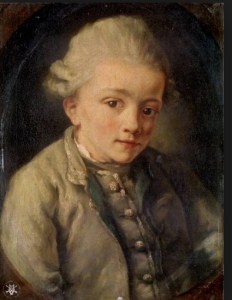
Aria ~ “Il tenero momento”

Here is an example of a short libretto, but in the right hands, what it can become.

No. 2 Aria – Cecilio “Il tenero momento” 8:06 minutes
The tender moment,
Reward of love so great,
Already fills my heart
With sweet thoughts.
And how shall that joy be,
Which awaits me at her side,
When the very thought alone
So entices my rapture?
________________________________________
LUCIO SILLA: Opera seria in three acts
Music by Wolfgang Amadeus Mozart
Libretto by Giovanni de Gamerra
Premiere Performance 26 December 1772, Milan (Teatro Regio Ducal)

Cast
LUCIO SILLA, dictator (Tenor)
GIUNIA, daughter of Gaius Marius and betrothed to Cecilio (Soprano)
CECILIO, banished senator (Soprano)
LUCIO CINNA, Roman patrician, friend of Cecilio and secret opponent of Lucio Silla (Soprano)
CELIA, sister to Silla (Soprano)
AUFIDIO, tribune and friend of Silla (Tenor)
Time: During the dictatorship of Lucius Cornelius Sulla (138-78 BC) Rome

________________________________________
FYI – The role of Cecilio is played by a woman. In the time it was staged, Cecilio would have been sung by a Castrato. In modern times, the role often goes to a mezzosoprano or contralto (vocal style).

This is a young Mozart at his finest. The music is as important an element to this aria as the voice. The music sets the melody, energy and emotion of this aria. This is beautifully composed and sung. Mozart has a signature style of presenting emotions and situations in a subtle but expressive manner. When in high, loving spirits, Mozart arias are like listening to champagne. The emotion can be felt in the body and heart. This aria is an expression of great love and commitment between two soulmates. Cecilio and Giunia are betrothed and devoted to one another in this and the next life.

Mozart is often considered to be one of the finest, if not the finest composer of classical music and operas. In this aria, I often think that the music could stand alone and be enjoyed without the vocal. However, the combination is what defines Mozart and his greatness. He skillfully “frames” the voice with the music and creates a buoyant, full bodied aria.

The singer is Cecilia Bartoli, a mezzosoprano noted for her fine pitch. Ms. Bartoli is adept at matching her vocals to that of the instruments played. Both support and enhance the other. In my limited and humble opinion, this is fine art. This is the moment I fell in love with opera. This opera turned me from a casual listener to a dedicated aficionado.

Accompanied Recitative & Aria No 9

Here is a second aria with some of the Accompanied Recitative leading to the aria. Accompanied Recitative is the text of the story orchestrated. Recitative is the story sometimes merely spoken to the audience or as in this example, sung. This tells the audience what is happening at this moment in the story.
________________________________________

Accompanied Recitative & Aria No 9 – 6:17 minutes

CECILIO
O Giunia! … Oh that name! …
The very thought, my friend, that I might lose her,
Quells any surge of my wrath.

But hasten, fly at my side, slay the tyrant …
Ye gods, and now my wife is delivered up
To my enemy, alas! … Who defends her?
And what if he should come his way? … Dear God!
How harsh the contrast,
What grief, immortal gods! Fear, trouble,
Anger, hope, all these I feel within my breast,
And know not which feeling will triumph!
What thoughts are these? And am I still not resolved?
Let Giunia be saved, or at her side I will die.

No. 9 – Aria

CECILIO
This fateful trembling
Growing and growing in my breast,
I know not whether it be hope,
I know not whether it be wrath.

Yet, whether in its inward feeling
Or in its outward wrath
It be madness or hope,
It shall strike terror in the traitor’s heart.
________________________________________

Aria Sung by Julia Varady

This entire sequence listened to shows the depth of emotion an aria can convey. Cecilio is an enemy to Lucio Silla, the reigning Roman Emperor. Giunia thought Silla had killed Cecilio. Silla routinely destroyed all competition to power including his Senate of which Cecilio is a member. Silla killed Giunia’s father. Silla is infatuated with Giunia and wants her as a bride. Giunia refuses Silla. Cecilio is outraged at Silla for these actions against his beloved.

This aria is a soliloquy. The music is as an important component as the vocals. Here, Mozart shows his skill in sweeping us forward in the story, controlling and steering the emotions with the music. The notes set the emotions and stage the vocals. The intertwining of instruments and voice display Mozart’s genius. These two arias represent only a small portion of this opera. There are duets and choral numbers as outstanding and moving as these two arias.

When learning a new art form or language, it is best to take it in short amounts. I am hopeful that the reader clicked on the links to the arias and enjoyed the experience. Thank you for reading this article.

To be continued………………….

Recommended Read:

The New York Times Essential Library: Opera: A Critic’s Guide to the 100 Most Important Works and the Best Recordings By Anthony Tommasini, Publisher: New York Times 2004 ISBN-13: 978-0805074598

This book is an excellent guide to the person who is new to opera. The author provides a brief synopsis of the opera as well as anecdotal information about his preferred performances. He includes recommended CD’s to include in the home library. The author also provides an essay on the composers listed. He includes a top twenty list of must-have operas.

Mozart’s Birthday!

How you are divine somehow. How you are alive somehow. How you are at once inside, outside and all around in spirit, in hope in delight and always in love.

When I open to you, out pours the violet light, the shimmering starlight of lavender, amethyst, lilac and indigo across the constellations banded in silver and gold.

Amadeo! Yes, God loves you so well. You are the sound of moonlight, sunlight, and starlight. In your music, I feel the gentle brush of the bird’s wings. I hear inside the sea shell. I sense the earth turning under my feet. I can see the way in. I can touch another heart. You are all that is seen and unseen. You are the light. You are alive.

In your music, in your songs is the invitation to laugh, flutter, fall, sin, forget and even be reborn. Your music invites forgiveness of self-limiting doubt. There is only wonder. You saw that wonder and gave it to us in the notes. The blessed, sacred notes from one who is the eternal trickster. What an imp you are Dearest Wolfie!

You are Idamante! You are Belmonte! You are my beloved Papageno!

You knocked on my heart and I do welcome you in. And, here is the moment I fell in love with Wolfgang Amadeus Mozart. Ti Amo Wolfie!


Lucio Silla K 135
Act I Duetto “D’elisio in sen m’attendi”
Guinia – Edita Gruberova
Ceclio – Cecilia Bartoli