 On Sunday afternoon, April 10, 2016, Opera Atelier of Toronto presented “Lucio Silla” in two acts by Wolfgang Amadeus Mozart. Outside, the steel grey Ontario sky and frosty winds melted away as patrons entered the sumptuous Elgin Theater on Yonge Street. Ticketholders were welcomed with tall, gilded mirrors and plush garnet carpeting. It is an entry designed for well-dressed people in evening gowns and pearls. The atmosphere is sophisticated. How funny than to see the concession stand selling M&M candies. At the opera? Sure! It is after all Mozart, I think he would have snuck a bag into the theater to enjoy with the show. The premier was in Milan Italy December 1772. Two hundred and forty-four years later, it was my turn to be present when the curtain rose.
Of all Mozart’s compositions, this one holds special meaning, I fell in love with this story the first time I heard, Giunia and Cecilio’s duetto: d’elisio in sen m’ attendi.
The libretto by Giovanni de Gamerra reads like baroque poetry. The lovers meet at the grave of Giunia’s recently deceased father Senator Marius. She thought Cecilio died too at the hands of Silla and was looking at his ghost. She came to find her way in the wake of Silla’s victorious ascension as Emperor of Rome. The moment these two lovers reunite is out of this world. The joy escalates through the rise of a trembling soprano as the musical notes leap with her heart. Her soul comes out of the morass to shake the heavens with its passion at the sight of him. Mozart composed love as music. The tone, texture, and resonance is so powerful it balances the heart chakra. These two are soulmates. Their hearts only beat for each other.
This opera is the one that opened me to the beauty of this theatrical art. Several years ago, I took workshops in music appreciation of classical music and opera. I chose famed mezzo-soprano Ceclia Bartoli as the artist to study. By chance, I bought her CD titled Mozart Arias. Three arias and the duet from Lucio Silla are on the disc. Eventually, I acquired the CD of this opera with maestro Wien Nikolaus Harnoncourt. However, there was no DVD for rent or purchase. When a web search for the opera season turned up this production, I could not resist the chance to see it.
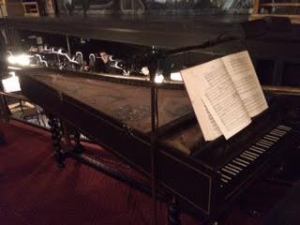 The 1,500-seat theater includes a balcony and traditional orchestra pit. The harpsichord player sits to the right side of the stage above the pit. This is where Mozart would have been at the premier. This instrument moves the story along during recitative or spoken/sung dialog telling the story. Conductor David Fallis led the Tafelmusik Baroque 30 piece orchestra of Ontario. There are so many moments during the opera when the players were not singing but Mozart continued moving the story and setting the tone with the notes. Up from the pit floated one graceful enchanting note after another. There is no separation between the power of voice and instruments. Each is as exquisite as the other is. Mozart moves us emotionally and invites us to understand the players most intimately by the language of his music. At sixteen years old, he showed incredible skill in this his eighth operatic composition.
Tafelmusik Baroque string section truly sounded lighter in the strings. I wondered if the instruments were indeed from the baroque era, Marketing Manager Tim Crouch said, “In this case, the orchestra is using classical instruments, a time-period which happened a little later than baroque (though the same is true of our baroque instruments), and they’re a combination of original instruments and reproductions. Most of the string instruments date from the 18th century – restored to their original condition. Most if not all the bows are new, as are all the winds, brass, percussion, and keyboard. All new instruments are “copies” constructed according to 18th-century models and techniques. String instruments get better over time, while the others tend to deteriorate, hence the reproductions.” Everything and everyone gave a grand performance. An opera in a movie theater or on DVD is an option for viewing, but nothing compares when art is crafted live before the eyes.
Highlights from the opera seria are the carefully choreographed duel with rapiers between Cecilio and Silla’s guards. There was a startling time shift as the actors slowed the duel to a quarter normal speed. Cecilio is outraged as Silla attempts to take Giunia as his “prize” bride. The blades moved to the vocal and musical notes. Wow! Kudos to Jennifer Parr and Jack Rennie for fight choreography. The original opera included ballet dancers. In fact, Mozart wrote into the sheet music where the dancers are to come in. This explained long periods of music on the CD. Finally, I understood as the artists of the Atelier Ballet graced the stage.
This opera is normally in three acts. A few arias were not performed. Apparently, this happens depending on the size of the stage and circumstances. As I learned this opera by ear, I knew a gap in my auditory memory. The missing parts helped the audience understand how vicious a man Silla was, and how ardently the couple are bonded. Their steadfast love beyond the corporeal becomes evident even to Silla and he has a moment of doubt as to what to do. He wants Giunia out of lust. He despises her rejection. He struggles even to understand how she could behave with such scorn. The missing recitative and arias helped inform the audience of just how despicable a character he was. Some of the emotional strength was lost with the trimming.
In the end, Silla performed by Kresimir Spicer made a remarkable move by leaving the stage and coming right out in front of the orchestra pit. He pours out his confusion over what to do. He feels his conscience perhaps for the first time ever. He actually listens to the inner voice. He is a murderer. Yet, confronted by the strength of love, he hesitates. It was fabulous to sit there and witness this soliloquy. Mozart’s gift is the ability to draw out the part of their character the audience can identify with. Somewhere in the notes and words, the sway, tone and pacing, we sense the person there. We can feel their humanity whatever the character.
The performance was satisfying in every way. Artistic directors Marshall Pynkoski and Jeannette Lajeunesse Zingg brought the magic of this opera to the stage once again. I travelled many miles to see this. The only thing missing was Mozart himself. I kept looking at the harpsichord player and imagining what it could have been like, this small kid up there conducting the singers and musicians. Mozart is one of the immortals. His body gave up but every opera season since his death, one of his operas is performed somewhere. What a remarkable achievement! Bravi a tutti!
Copyright 2016 by Frances Ann Wychorski
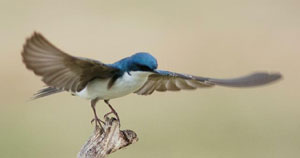 The spring rolls into May with plentiful rains creating many a vernal pool in Central Massachusetts. All trees are budding up and we await the return of a soothing green canopy. Birds are starting to return from winter grounds. The wood thrush is on the way. We await in joyful expectation of the lovely forest trill. Spring gardeners are pruning blossoming fruit trees. The earth opens to the sun.
 LuceStellare