In my previous article, Meditation It’s for Everybody, I talked about an alternative to the traditional practice of sitting in silence: lotus position. This writing will discuss guided meditation as a way to achieve quiet for the mind and body. For those who have made a resolution to begin a meditation practice in 2014, the intention is made, so now continue.
Traditional Silent Practice
Mediation is a form of repose. The body comes to stillness. The senses are drawn inward in personal reflection or spiritual contemplation. There is no beginning and no end. One meditates to understand the self, social interactions and everything in between. The object of meditation is to become aware of the mind generating thoughts and how creative a place it can be. Thoughts drive actions or non-actions. The sitter learns to observe this behavior from the inside out, from the outside in. Understand that the thoughts will not diminish, but perhaps there neediness will.
The term practice comes up frequently when seasoned sitters reflect on their experiences. A person may refer to it as “my practice” giving this activity a distinct, and separated identity attached to themselves. The practice of meditation typically means the habit of sitting still at a specific time each day. There are a wide variety of styles of meditation and traditions.
The act of mediation is often connected to the Buddha of India. Buddha means awakened. The Buddha successfully achieved a state of reality rarely understood or duplicated. In essence, he became a fulfilled human and rose above the confinement of the mind and body. He was able to raise his conscientiousness beyond the norm of human experience. The remarkable action embraced all that humanity is and isn’t. He simply existed without beginning or end.
He identified with everything and was in the awareness of thought-space-time all at once. That he could stay in that state is what is remarkable.
Every person has experienced this state of being. In actuality, it happens daily but the untrained mind cannot stay in that awareness or sometimes, may be unable to recognize it as such. The Buddha showed us that with intention, any human can achieve insight.
 Guided Meditation
A guided meditation can be created internally or furnished externally by another source. The guided meditation takes the listener on a path toward focused attention.
Preparation
The most luxurious preparation for the sitting would be to take a warm bath in ¼ cup of Epsom salts mixed with ½ cup of baking soda. If you feel cold normally, adding two drops of rosemary or vanilla essential oil will assist in warming the body and aiding circulation. Dress in soft comfortable loosely fitted clothing. Cover the feet with thick socks. Place a blanket nearby. As you sit, your body will cool naturally and you will need to keep an even body temperature in order to be comfortable. If you feel hunger, that may interfere with the ability to focus attention on the activity, have a banana with yogurt mixing in granola and/or wheat germ. This can become an elaborate or simple ritual depending on the mood of the sitter.
Self-Guided
A self-guided meditation may be done at any time during the seated practice. The sitter may direct the breath through the body guiding the thoughts. Often, beginning sitters are advised to follow the breath in and out. The breath may be directed through the body to different areas. The sitter breathes in and out through the diaphragm. In the next breath, direct the internal eye to the right ear and breathe in and out as if through the ear. The next breath descends to the left shoulder breathing in and out. The next breath is at the right elbow, than the left hip, right knee, and left ankle. The order can be altered, reversed or started again from the top of the head to the bottom of the foot. This exercise will give variety to the mind and bring the sitter deeper into self-awareness within the body.
Guided by Sound
My personal style of meditation may be considered self-guided as I give over awareness to sound. As I sit, I listen to the sounds within or outside of the room. In a group practice, this is highly rewarding as you listen to the people around you settle into their bodies, cushions, or chairs. I have listened to the chatter of birds, crickets and wind. A ticking clock, especially an old time piece can be richly rewarding. I am still; my thoughts are focused on the sound. There is a moment when it all fades into the background and there is nothing there.
Guided by Voice or Acoustic Instruments
There are many excellent taped guided meditations by a wide variety of teachers. The absolute beginner may benefit most from a guided meditation practice.
Think of your practice as a new habit. The body and mind are being asked to do something most unusual: be still.
The beginner needs support in setting a new habit. For example, Sunday morning at 7 a.m. is set aside for the practice of meditation. To sit without benefit of guidance could be frustrating. What do you do?
The guided meditation by an external voice will help focus the mind on a task. The person speaking to you wants you to enjoy this experience and will use proper techniques to guide the listener into a state of relaxation. The speaker will often remind the sitter that the mind has wandered off into thoughts, or ask if you are breathing from the diaphragm. The sitter will benefit from their expertise to find comfort and support. The speaker will ease the person out of the meditative state and end the session properly.
Here are a few selections in my personal library. I prefer acoustic instrumentation and the sounds of nature. I would stay away from Classical Recordings as they are meant to take the listener into a mood or different emotional place. One of my favorite Classical Recordings is Chopin’s Raindrops Prelude. However, Chopin’s brilliance was in setting an emotional state not always positive although always contemplative.
Chakra Balance Meditation CD by Barbara Stone available through her website Soul Detective.net
1 – Guided Relaxation w/Solo Piano 36 minutes
2 – Guided Meditation 25 minutes
 Seven Metals, Singing Bowls of Tibet by Benjamin Jost available through his website Seven metals.com
1 – Acoustic sounds of bells, bamboo, and etc. 27 minutes
2 – Acoustic sounds of bells, chimes, etc. 28 minutes
Songbirds of Spring and Pastoral Countryside by Richard Hooper
1 – Pastoral Countryside – 30 minutes
2 – Songbirds of Spring – 30 minutes
If you have a smart phone, search for free guided meditation apps and select a different one every time until you find the mix that is best for you.
~~~~~~~~~~~~~~~~~~~~~~~~~~~~~~~~~~~~~~~~~~~~~~~~~~~~~~
Sit, just sit and find out who you are. A regular meditation practice can be rewarding and a path of personal discovery.
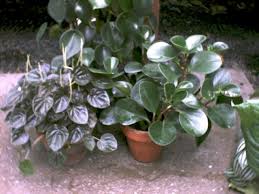 If this is all too painful to contemplate, consider alternative forms of meditation. Here is an example of mediation off the cushion. Start by taking out the most neglected houseplant, bring it to the table during a quiet time of day and examine it closely. Focus your eyes on the plant and take in its shape and color. Hold the potted plant between your hands and form a connection. Understand what the plant needs for care and begin to groom it. Trim off the dried leaves, prune back the unruly branches and tend it with care. Lightly cultivate the soil. Prepare a pot of warm water with plant food and give it a nourishing drink. Pour the water in slowly and watch the soil absorb the moisture. Take a damp cloth and dust each leaf or petal on both sides. Take your time and wash off the branches and stems as well. This may require a long swab to reach under and over. Tend the plant. When you have completed this task, give the plant a fine mist of warm water. Place the plant back in its surroundings, or ask it at the end of the cleansing, where it wants to be? Does it need more light, moisture or warmth? Give it all your attention until the task is complete. Practice grooming one plant each week. There is no start or end time, it is just done when it is done.
 LuceStellare