Human + Animal Connection
In the greater order of things, creatures of air, sea and land came before humanity. Each is unique and possesses qualities that enable it to live and thrive in its environment.
All living creatures that fly, crawl or walk have an inherent instinctive way that takes on a spirit of being.
 People of all nations demonstrate a tendency to identify their collective cultural spirit through that of birds or animals. They take pride in being a member of the flock or tribe. Consider the White Eagle of Poland, Vicuña of Peru, Lion of the Netherlands, etc…
So too, the ordinary person may display something in their behavior that suggests something else. They may have a certain look, habit of speech or pattern of dance that directly brings to mind the energy of an animal or bird.
Spirit Animal + Piero Barone
A friend matched the Macaw with Piero Barone of IL Volo. What followers know of Barone is largely drawn from social media posts, responses and discussions in interviews and his performance on stage. At first glance, it appears that his initial quality is a love of communication, love of family and love of song.
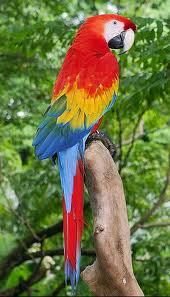
The Mighty Macaw
A Macaw is native to the tropical regions of the Americas. They are large, brilliant birds within the jungle canopy. They are great talkers within their habitat keeping up a chatter that is often termed noisome. Physically they have strong feet and a powerful beak. They prefer a steady diet of seeds, nuts and fruit but are omnivores by nature. They are extraordinarily loyal, have a high need for social contact and mate for life. And, naturally feel at home in a flock. It is not uncommon for a bird to live to 100 years old. As a spirit animal, Foxfeather R. Ženková describes the macaw as empowering the person with the qualities of “intelligence, beauty, and inventiveness. Loud, self-confident and active, macaws are the symbol of creative intelligence, inspiration, and freedom. Macaw people are often artistic, whether their talent is in visual art, music, or dance.”
 The Brilliant Barone
And, Barone? He is well-known for his ability to hold the long musical note and go up and down several octaves in a breath. His dramatic voice calls attention to him for its beauty and complexity. His intelligence and quick ability with acquiring new language skills delights fans around the world.
Barone is from the Mediterranean island of Sicily with palm trees and an active volcano. He loves the color red. His nature is affectionate and charming with a look at me personae. Many fans comment on his strut across the stage. He is known for his confidence and habit of studying the crowd. At times, it appears he is as curious about us as we are about him. He loves his food, especially the Sicilian specialty: frutta del mare.
Barone sings “Where do I begin?”
He shows a high need to belong and be remembered. He is clever and often surprises the fans with behaviors, gestures or activities. His solo video of “Where Do I Begin” was unusual in its inventiveness, he formed his own one-man band (flock) to share the moment. One can easily say of Barone, he is never dull. He has a powerful spirited presence and delights countless fans with his higher qualities.
Buona fortuna Piero! Si canta bene!
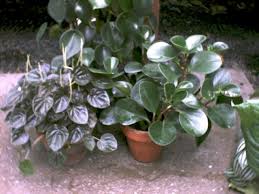 If this is all too painful to contemplate, consider alternative forms of meditation. Here is an example of mediation off the cushion. Start by taking out the most neglected houseplant, bring it to the table during a quiet time of day and examine it closely. Focus your eyes on the plant and take in its shape and color. Hold the potted plant between your hands and form a connection. Understand what the plant needs for care and begin to groom it. Trim off the dried leaves, prune back the unruly branches and tend it with care. Lightly cultivate the soil. Prepare a pot of warm water with plant food and give it a nourishing drink. Pour the water in slowly and watch the soil absorb the moisture. Take a damp cloth and dust each leaf or petal on both sides. Take your time and wash off the branches and stems as well. This may require a long swab to reach under and over. Tend the plant. When you have completed this task, give the plant a fine mist of warm water. Place the plant back in its surroundings, or ask it at the end of the cleansing, where it wants to be? Does it need more light, moisture or warmth? Give it all your attention until the task is complete. Practice grooming one plant each week. There is no start or end time, it is just done when it is done.
 The lilt of dawn streaming through a gentle copse, all sylvan and splendor as twilight finds its restful place. He is the peeper of spring, the aromatic mist of minestrone and the pine needles of the woodland path. His lyrical tenor is of the elusive wood thrush dwelling deep in the forest, the last wandering bird to arrive and herald the rise of spring.
 LuceStellare