Blog Feed

Blessing the Soil in Spring

Wampanoag Corn Husk Dolls

The rebirth is here. The blessed spring time begins the planting season. The birds return to nest in the woods and fields. The pussy willow and forsythia buds unfurl. The bulbs feel the earth worms wiggle and reach to the surface to smile up to the sun. The garden beckons us outside to turn the soil and plant seeds. So let’s make friends with the earth and sky, seeking blessings for growth and protection.

The early spring is the time to prepare the garden beds for flowers and vegetables. Perennials, shrubs, berry bushes, fruit trees, and lawns come awake. The spring rains and stronger sun bring both the promise of renewal and the threat of the elements to our precious home and garden. The shift in seasons can bring strong weather fronts with dramatic clashes in the skies above us. There is no threat more alarming than the wail of a tornado siren.

Whether it is a flower box on the balcony or a full field of crops, as the soil is tilled let’s pause and ask for blessings from the earth and sky.

Native American Tradition – Sacred Corn

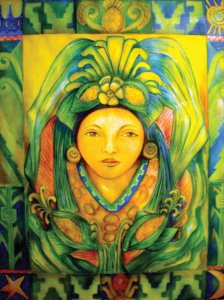
Native American tribes revere corn as the staff of life. Corn is placed in the mouth of the dead before burial. The golden kernels are a sacred grain that provide a yearlong food source. Mesoamerican creation myths often depict the Corn Mother bringing the grain to the people. The Three Sisters, by Jackie Traverse, portrays the sacred trio of corn, beans and squash. The corn grows tall. The beans wrap themselves around the cornstalk and find support. The squash shades the footing providing coolness. The prickly leaves of the squash plant offer insect protection. Each grows with the support of the other.

Blessings of the Soil
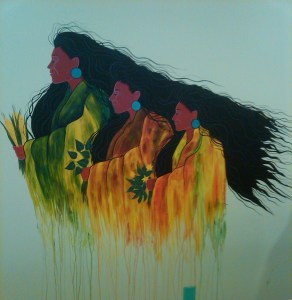
The Three Sisters by Jackie Traverse

The soil and homestead receive a blessing at the start of the growing season by the homeowner. The best time to ask for support is before turning the soil. A gentle encounter with the spirits helps ground the gardener to the land and the energy of the elements. The growing of food to provide for the table is a primal human activity. A garden prospers with good soil, gentle rains, warm temperatures and plentiful sunlight. It depends on pollinators and daily care to keep away the critters and insects that want to share the bounty.

By making a connection to the land, sky and spirit, a communion of positive energy binds the gardener to the land. Its prosperity is our prosperity. The chores become a refuge from the demands of the day. The interaction with earth and sky returns balance to our nature and gladness to our hearts.

Ritual Offering

Items suggested for the blessing are:

  • bag of cornmeal
  • a bowl to hold the grain
  • an offering to the spirits

As with any blessing or ritual, the person needs to prepare themselves to commune with the spirits.

.Here are a few suggestions on what to consider in preparation.

  • Prepare the body by fasting during the day and concentrating on the importance of food. The act of fasting will remind us of what it feels like to be hungry
  • Make the offering a platter of hush-puppies or corn bread. Have some firewater on hand such as corn whiskey or corn vodka. If this is not available substitute mead, a wine made from honey.
  • Bathe and put on soft clean garments of a natural fiber such as cotton, silk or flax.
  • Create something to say to the earth and sky as you ask for blessings of growth and protection.

O Great Spirits of the earth and sky. O Great Spirits of the water and wind. O Great Spirits of the ancestors who walked this land in a distant day.

O Great Moon above. O Great Sun. O Great Winds.

Welcome to this humble home and garden. Welcome back to this place. I ask for your protection for this house. I ask for all that dwell in the house be safe. I ask for your protection of this garden. I ask for your protection of all the trees that are above and creatures that dwell below the earth.

Protect us against strong winds, strong sun and strong rains. Protect us against pests and diseases.

Send us sweet sun, sweet rains and sweet breezes. Send us your blessing for an abundant crop.

Help us cultivate our garden every day. Help us find joy in our care taking.

Help us rise with the sun. Help us to see the shadows under the moon.

Bless this earth. Bless us who are here. Bless you for remembering us.

Sing to the Spirit of Earth and Sky

To lighten the mood, perhaps listen to the “Corn Song”, by Sharon Burch from the CD: Touch the Sweet Earth. The words are sung in Sharon’s native Navajo and set a beautiful mood of fun and positive energy.

As Sharon wrote, “This song…expresses the joy of seeing, feeling and being immersed in the growth of the corn plant” The lyrics in English: “I planted my corn. I planted it. I planted it. My white corn. My yellow corn. My corn of various colors. I planted my corn. I planted it. I planted it. Now the corn pollen will sprinkle on me. Now the corn pollen has covered me. I planted my corn. I planted it. I planted it”

Step outside with the grains, offering and prayers

In traditional Native American ceremonies, participants would smudge their bodies with the smoke of tobacco, sage and/or cedar. This action can be taken before the ceremony begins. The dried leaves can be obtained from an herbal supply shop. This is not necessary but something to consider. The smoke would be spread over the offerings and all around the space clearing away bad vibes and balancing energies

Dust the entire yard and house with corn meal. Imagine the grains being scattered are small rays of sun bringing abundance and warmth to the land. Move in the direction of the sun from left to right in a circle around the space. Walk around and scatter the grains everywhere. A light layer is sufficient, but make an effort to touch the entire area that needs protection. Especially dust the garden space for planting.

Remember to cast up as well to the sky. I would not play music while scattering the grains. Focus on the activity and notice any signs from the earth and sky that might be sent in return.

Notice the winds, hopefully, a light wind will rise and will help blow the grain into the garden. Better yet, a light rain comes up and soaks the grain into the earth. Even more exciting would be the visit from birds taking up the grains for feeding their chicks. I would strongly advise not performing this activity if a storm is approaching.

While we want to appease the Thunderbeings, if a storm is imminent, wait for another time and approach the outdoors when the weather is calm.
After the grain is cast. Or, as you are casting the grains, recite the prayer. Come back to the platter and pick it up. Show it to the four directions as well as the earth and sky. Enjoy a sip and bite of the offering. Pour the firewater or wine into the earth. Leave the food for the critters. Be humble and pray for blessings.

This ceremony creates sacred space on the earth. And, connects us to our task of caretakers to our homes and gardens. After completing this blessing get ready for some serious gardening. As soon as the soil is warm enough, take out the seeds, set out the rows and plant away. Use the remaining corn meal to run a line along the borders of the flower and vegetable beds. The gardener might even scatter more corn meal over the earth of freshly planted seeds. The corn will attract birds and help with pest maintenance. Many birds enjoy eating bugs, beetles and other insects that can damage tender plants.

As the sun grows stronger in the sky, the atmosphere will heat up and create threatening weather. While we cannot control the elements, there can be some inner sense of security that we reached out to the spirits and made a peace-offering. Perhaps they will return the kindness and abate the storms and dangers in the coming summer months.

By remembering the elements and our kinship to them, we recognize our place in the order of things. We are of the earth and sky.

Aho
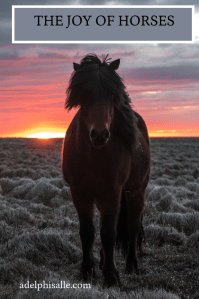
Balance – Flexibility in and out of the Saddle

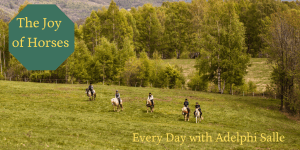
Riding horses is a lot of fun. It’s lovely to be on a horse walking to the riding ring or out along the pathway for a casual ride. A warm snorty horse is love. They are love to be with. The most relaxing thing on earth is to enjoy their company and appreciate what a wonderful thing it is to ride.
One foundation of successful riding is balance.

The dressage rider learns to develop a lightness in the saddle and independence in different parts of their body. The thigh pushes down and in. The right seat bone sinks deeper or pushes in. The fingers gently vibrate on the reins. The shoulders sit square and slide down the back. The left inner calf pushes against the horse asking it to step over, yet the right outer leg holds steady creating a gate, so to speak. The heel taps behind the girth. The seat gives a bump, a slight push or bump to signal a half halt. We flow up or we flow down in our rising trot. It’s a lot of subtle motions and happens sometimes without thinking.

Dressage riding relies on steady hands, legs, back, and hips.

Our breathing is steady and aligned to the movements of the horse.

A deep sinking breathe is an aid. Long, steady, deep relaxing breathing will cue the horse to slow down, and even halt. The body is letting go of tension, and the horse responds.

The rider knows their hips need to be open and be flexible. The spine needs to be the same. The rider finds their balance in the saddle. It takes a while to develop a fluid, giving body. It’s helpful to develop good balance and a solid range of motion off the horse to better enjoy the ride.

Riders returning to the saddle after an absence of 10, 15 or 30 years will benefit from fitting regular stretching into their weekly, if not daily, fitness routine.

Yoga and Qi Gong Exercises for Better Rides

The Youtube videos in this article are wonderful for opening the hips. The postures are designed to develop good hip and trunk health. It’s not strength that rides a horse, it’s toned, flexible, and fit muscles. Good dressage riders use a lot of close and release motion in their trunk to cue the horse to gait speed and lightness. You have to be aware of your seat bones, where they are and what they are doing to help the horse understand what you want them to do.

It’s always the responsibility of the rider what happens during a ride. It’s always the obligation of the rider to leave tension, emotion and bad vibes at the barn door. A successful ride depends on what you bring to the horse.

The adult amateur rider has to consider the tightness in hips caused by stiff heeled shoes. Also, long commutes and desk jobs further shorten muscles around the hips and hamstrings. The restriction in movement caused by heeled shoes and sitting too much, creates problems for the dressage rider. Calves, ankles, knees and hips become tight. They are not moving in a natural manner. Extra attention is helpful in a stretching, strengthening routine to help the muscles, ligaments and joints move naturally.  If you ride right after work, it can be difficult to loosen up the hips and enjoy a relaxed ride.

A great exercise program for flexibility and a straight spine is yoga or qi gong. Both require slow movements which stretch and flex the body into opening. The breathe moves with the postures. The blood and fluids circulate normally and bring qi or life energy into stiff muscles and joints.

Yoga for Supple Hips and Hamstrings

Here are wonderful yoga hip exercises that can be done to revitalize this area of the body. Nothing is more uncomfortable for a horse than a rider falling behind or ahead of the motion. They have to balance their own bodies and you on them.

This routine published by Dr. Brianne Grogan, creator of FemFusionFitness.com addresses the critical areas for riders. The instructor demonstrates clearly and incorporates the breath in every move. This half-hour routine is challenging and the goal is to routinely practice the movements for greater flexibility. I love that she puts movement into normally static poses. She uses terminology that should be familiar to the rider, especially the phrase; lead with your heart.

Try these hip openers before and after a ride sometime and notice how much better you sit. If you’re secure in the saddle, the horse will appreciate and respond positively. Watch her steadiness and posture. She is solid in her balance and weight distribution, yet there is no strain present. This steadiness is the goal in the ride as well.

Balance – In Front of or Behind Natural balance

Often we walk around and don’t notice our gait. Once in a while, a comment will be given on how you walk looking down or slouched. You cannot see yourself but these habits affect the ride. People tip forward or sideways.

Next time you are walking along, notice if the weight falls evenly on each foot. Look at the wear pattern on the soles. Do you roll out? Are you walking with toes turned out? What you do on the ground effects the ride and your posture on the horse.

A super way to experience your balance and it’s need for development is simply to walk with the eyes closed. Pay attention to 10 steps. Did you walk a straight line? Did you start to dip in one direction? Walk the same 10 steps backwards. Feel the sudden lurching of balance. Too much to the left, not over the center of gravity, pitching around in unbalanced movements.

Balance off the horse affects balance on

On a personal note, doing this exercise tells me how I shift my weight too far forward most of the time. I am not walking heel to toe. The weight is not’ distributed evenly over each foot or over the hips. I slouch or rush or get unbalanced walking too fast. Are you doing the same thing on the horse? Are you pushing him forward? Are you trying to stay in balance wiggling around? It’s a subtle awareness, but it’s not helpful to get ahead of your own motion. Balance, always consider where is your center of balance. Don’t let it drift out of alignment. Keep your energy, your balance within your body. Control your walking pattern and body pitch. Take it easy and be in balance.

Qi Gong for Balance

Here’s a wonderful qi gong exercise for strengthening the feet and ankles by Shifu Andrew Plitt: The movements are subtle but grounding. As we get older, it’s important to think about our natural balance and maintain it. If your base is secure, the experience in the saddle will be more pleasant.

Perhaps it doesn’t seem like much, but after doing these movements routinely, my walking pattern shifted a little and my posture on the horse shifted as well. Instead of falling forward, it’s becoming more routine to sit straight. The knees and ankles need to be flexible in the stirrups. A good rider sinks the heels down and balances lightly on the stirrup. They are there for stability and an aid in riding. A good rider lets the bounce flow through the ankles as we absorb the movements in a sitting trot. Letting the energy move requires open flexible joints.

Get yourself in alignment on the ground with an exercise program that works towards better posture, breathing and flexibility. It’s not practical to think riding will be all is needed for improvement. A ride is confined to half-hour, forty-five minutes or an hour. Take the time off the saddle to prepare for the glorious times you can ride.

Be safe and enjoy the ride!

Riding Horses at 30, 40, or 50, + ~ Get Back in the Saddle

The time is right. As a teen, riding horses was a part of life. Everything about horses is wonderful.  The promise to return to the saddle is itching inside. Spring is here.. Let’s ride!
Where to start? What do I need? Where will I go?

Let’s go! Start by breaking down the activity into manageable goals.

I am an adult amateur dressage rider at the intermediate level. I returned to riding after a gap of about 25 years. At 28, I stepped away from a life with horses. A few false starts but at 55, I gave it another go. The horse bug bit once again. The suggestions that follow are from this perspective.

Physically Demanding Sport

Riding horses is a recreational sport.. Whether you rode as a youngster or have never sat on a horse, it’s important to consider your current physical condition. A recommendation is to consult your doctor before starting a riding routine. Getting yourself fit to ride is part of the journey.

Stretch – A range of motion routine that includes stretching, especially targeting the waist, hips, calf and inner thigh is recommended. Yoga is an excellent choice. Routine practice enhances flexibility. Good riders relax in the saddle. No matter what the horse is doing, the rider stays cool, and steady.

Stamina – Walking, swimming, hiking or light jogging are excellent for building strength. A routine exercise program will build endurance. Hopefully, you already have a regular exercise routine as part of an active lifestyle. Aerobics and biking are super ways to keep fit and build stamina. Exercise at a quicker pace helps riders lungs know how to breathe despite the exertion. Sometimes riders tense and hold the breath, or breathe shallow. Not good for horses or riders.

Tension/Breathing/Balance – Yoga, tai chi and qi gong will teach you how to breathe deeply during movements.. Many a rider experiences tension when on a horse and may also forget to breathe properly.  I like tai chi or a martial arts training as students learn how to lower the center of gravity. Balance, coordination and focus are part of the skill.

Watch What I Mean – Amelia Newcomb Dressage, “Tension Releasers for Riders”

Amelia speaks clearly and demonstrates skillfully the importance of relaxing while riding.. The horse is moving freely, gracefully and happily in all gaits.. The back and tail are swinging. The trot has a beautiful cadence and forward spring in each step. The horse is in a frame and elastic in the movements. This is what good riding looks like!

Summary on fitness

The experience of riding will be much smoother if the rider is fit. Riding requires flexible joints, strong, straight back, supple legs and good posture. A rider sits lightly on the horse and follows the movements. An effective rider lowers their center of gravity toward the back of the horse. Stirrups provide  balance and help the legs stay in the correct position. Ankles need to give with the movement. Tension is common in all riders.

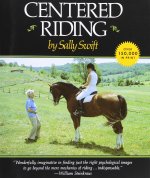
A good book to read is “Centered Riding” by Sally Swift. It’s a classic text with illustrations on how to sit and ride in balance. The imagery is helpful. Good riders have a way of melting around the horse. They don’t just sit up there, they drape their legs and relax deeply with the horse. They join their energy to the horse and become a team.
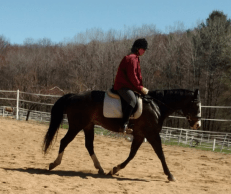
Acquire the basic gear for a safe ride

Footwear – The minimal investment is paddock boots. Ariat is a top brand but may be pricey. Check the local riding apparel shop, commonly called a Tack Shop, for mark downs or close outs. The boots must fit you and be of good quality. A pair of light wool hiking socks is best to cover the foot. An under layer of silk socks will help insulate the foot during colder weather. Tall riding boots are acquired when and if you decide to participate in horse shows. They are expensive but if well cared for, last many years.

Helmet – A helmet is necessary for riding. Falls happen and a reputable instructor will not teach a lesson without the rider wearing a helmet. It  needs to fit without tightness or looseness. The chin strap keeps the helmet secure on the head.

Gloves – A pair of garden gloves is fine to start with. They are inexpensive and can be washed. Not wearing gloves runs the risk of blistering skin. Leather reins move back and forth between the fingers causing a rub in an unusual place. Best to prevent a painful abrasion.

Breeches – Jeans are okay but they will move over the skin and may cause chaffing. Riding breeches are designed to provide protection to the inner leg. The fabric helps the rider be comfortable in the saddle. Winter riding weight breeches are available and much more comfortable to wear in cold weather. Bulk is no fun, but it’s no fun being cold.

Half-chaps – These are leather or suede zippered chaps designed to protect the lower leg. Full chaps are worn by western riders and cover the leg from ankle to hip. Half chaps are much less expensive than tall riding boots. They are easy to care for and durable.

Layers – The weather will determine how many layers are needed to keep the upper body warm. A long sleeved cotton shirt may be the base layer, a light flannel shirt and vest may be enough for a cool day to feel warm. The clothing needs to fit well and be loose. Horses give off a lot of warmth during a ride, so removable layers are best to wear.

Riding Horses

Riding Lessons – Unless you have a friend willing to let you on their horse, you’ll  have to find a riding stable which offers lessons. Start with a ½ hour lesson at $35 to $50 per hour. A riding barn with an indoor arena will typically charge more for a lesson. If you are brand new to riding, seek an instructor to help you through the initial beginner phase.

Horse Handling Skills – As part of the ride, a barn worker or the instructor will demonstrate how to handle a horse in the barn or in the paddock. It’s important to follow instructions carefully, especially to close a gate after going through it. A rider is expected to groom and saddle the lesson horse before and after the ride. The instructor will show you what to do. It’s important to learn how to move safely around them.

Stables – It’s important to notice how the horses are cared for at the barn. Do they seem relaxed? Are they given turn out daily? Are the paddocks muddy all the time? Is the barn clean and swept? Is the tack supple and clean?  Is the manure removed from the site or at least moved away from the barn? Are the stalls clean? The place needs to be clean and safe. You’re paying quite a lot of money to ride a horse, it’s got to be an inviting and welcoming experience.

Instructors – Be careful about with who you invest your time and money. After a while, it will be evident if the instructor sees you as a customer or only sees your wallet. Stay away from instructors who get quite excited, loud or demanding. Some of them may be good trainers or riders, but teaching riding takes a different skill. If you feel pushed or the tone of voice is brisk, or tsky, consider it may not be the best place for you. I left a barn because of an instructor. I loved the horse I rode, but she took all the fun out of the experience with a bossy, bored tone of voice. She didn’t listen to me when I expressed fear. It’s okay if the riders pushes through their fears of being in the saddle. It’s not okay if the instructor doesn’t react and provide support. If you leave a ride feeling hassled or unsafe, consider it may not be a good fit for you.

I’ll talk more about finding an instructor in an upcoming article.

Time for riding – Riding horses is time consuming. A half-hour ride involves catching, grooming, saddling, riding, cool down, unsaddling, brush and return to the paddock or stall. All together, it can be an hour or more.

Expect to be Sore

Body Care Before – If possible, take a walk or take some exercise the day of the ride. Best not to eat just before riding. Water is fine, but save a snack for the ride home. If I feel stiff or uneasy before the ride, I have put two drops of Sandalwood Essential Oil on my clothing. It’s aroma will naturally calm jitters for you and your horse. Sometimes the best ride is when the body is a little tired. The less you try to ride and maintain a correct position, the more natural the ride will be. Try to leave problems at the door. Horses sense tension, anger and negative emotions very quickly. They will react or resist when strong emotions are displayed.

Body Care After – Unless you are unusually fit and limber, riding a horse will create some physical soreness. Your body is moving in an unusual way on a moving animal. The inner thigh is being stretched around their trunk. The calves need to relax and allow the heel to drop. The back needs to remain upright but be flexible to the horses’ motion. It’s a lot to coordinate. Also, being nervous is very natural at the start. If possible, some stretching postures before and after the ride can diminish the discomfort.

At the end of the ride, drink a large glass of fresh water to re hydrate. It’s important to keep moving after the ride. Walking or some type of activity will help the body recover.

Saddle time!

Practice Ride – If after a month or two of weekly lessons you feel good and the instructor agrees, ask if they permit a practice ride. A ride on your own. Sometimes being under the constant eye of an instructor can be inhibiting. Being on your own riding the horse can provide a confidence boost. Consider all that will happen. Often, you’ll have to bring the horse in from pasture. Grooming can take some time depending on the amount of mud and dust on the horse. Saddling, bridling, getting on the horse by yourself is part of the fun of riding. If you feel comfortable and it’s safe, the practice ride can include a short free walk around the property. Being in an arena is fine, but walking out along a trail or around the farm is refreshing. Done at the walk, horse and rider should return to the barn relaxed. It’s also a chance to just be with a horse and that’s what it’s all about!

Lease – If the budget and time allows, consider a partial lease on a horse. Some stables have this opportunity available. A lesson is typically expected, but two of the rides are on your own. It can be complex fitting in ride time if you work a normal full-time job. Riding arenas can limit free ride times due to a lesson schedule. Talk to the instructor and try to work out what’s best and possible. Nothing is more relaxing than riding a horse Friday afternoons after a hectic work week. Many times, these have been my best rides. It’s just you and the horse.

I hope you enjoyed reading this article. If you have any comments about returning to riding or tips for readers, please share your thoughts.