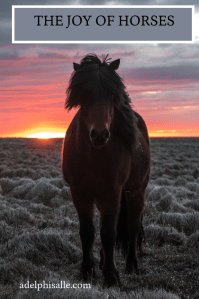
 Riding horses is a lot of fun. It’s lovely to be on a horse walking to the riding ring or out along the pathway for a casual ride. A warm snorty horse is love. They are love to be with. The most relaxing thing on earth is to enjoy their company and appreciate what a wonderful thing it is to ride.
One foundation of successful riding is balance.
The dressage rider learns to develop a lightness in the saddle and independence in different parts of their body. The thigh pushes down and in. The right seat bone sinks deeper or pushes in. The fingers gently vibrate on the reins. The shoulders sit square and slide down the back. The left inner calf pushes against the horse asking it to step over, yet the right outer leg holds steady creating a gate, so to speak. The heel taps behind the girth. The seat gives a bump, a slight push or bump to signal a half halt. We flow up or we flow down in our rising trot. It’s a lot of subtle motions and happens sometimes without thinking.
Dressage riding relies on steady hands, legs, back, and hips.
Our breathing is steady and aligned to the movements of the horse.
A deep sinking breathe is an aid. Long, steady, deep relaxing breathing will cue the horse to slow down, and even halt. The body is letting go of tension, and the horse responds.
The rider knows their hips need to be open and be flexible. The spine needs to be the same. The rider finds their balance in the saddle. It takes a while to develop a fluid, giving body. It’s helpful to develop good balance and a solid range of motion off the horse to better enjoy the ride.
Riders returning to the saddle after an absence of 10, 15 or 30 years will benefit from fitting regular stretching into their weekly, if not daily, fitness routine.
Yoga and Qi Gong Exercises for Better Rides
The Youtube videos in this article are wonderful for opening the hips. The postures are designed to develop good hip and trunk health. It’s not strength that rides a horse, it’s toned, flexible, and fit muscles. Good dressage riders use a lot of close and release motion in their trunk to cue the horse to gait speed and lightness. You have to be aware of your seat bones, where they are and what they are doing to help the horse understand what you want them to do.
It’s always the responsibility of the rider what happens during a ride. It’s always the obligation of the rider to leave tension, emotion and bad vibes at the barn door. A successful ride depends on what you bring to the horse.
The adult amateur rider has to consider the tightness in hips caused by stiff heeled shoes. Also, long commutes and desk jobs further shorten muscles around the hips and hamstrings. The restriction in movement caused by heeled shoes and sitting too much, creates problems for the dressage rider. Calves, ankles, knees and hips become tight. They are not moving in a natural manner. Extra attention is helpful in a stretching, strengthening routine to help the muscles, ligaments and joints move naturally. If you ride right after work, it can be difficult to loosen up the hips and enjoy a relaxed ride.
A great exercise program for flexibility and a straight spine is yoga or qi gong. Both require slow movements which stretch and flex the body into opening. The breathe moves with the postures. The blood and fluids circulate normally and bring qi or life energy into stiff muscles and joints.
Yoga for Supple Hips and Hamstrings
Here are wonderful yoga hip exercises that can be done to revitalize this area of the body. Nothing is more uncomfortable for a horse than a rider falling behind or ahead of the motion. They have to balance their own bodies and you on them.
This routine published by Dr. Brianne Grogan, creator of FemFusionFitness.com addresses the critical areas for riders. The instructor demonstrates clearly and incorporates the breath in every move. This half-hour routine is challenging and the goal is to routinely practice the movements for greater flexibility. I love that she puts movement into normally static poses. She uses terminology that should be familiar to the rider, especially the phrase; lead with your heart.
Try these hip openers before and after a ride sometime and notice how much better you sit. If you’re secure in the saddle, the horse will appreciate and respond positively. Watch her steadiness and posture. She is solid in her balance and weight distribution, yet there is no strain present. This steadiness is the goal in the ride as well.
Balance – In Front of or Behind Natural balance
Often we walk around and don’t notice our gait. Once in a while, a comment will be given on how you walk looking down or slouched. You cannot see yourself but these habits affect the ride. People tip forward or sideways.
Next time you are walking along, notice if the weight falls evenly on each foot. Look at the wear pattern on the soles. Do you roll out? Are you walking with toes turned out? What you do on the ground effects the ride and your posture on the horse.
A super way to experience your balance and it’s need for development is simply to walk with the eyes closed. Pay attention to 10 steps. Did you walk a straight line? Did you start to dip in one direction? Walk the same 10 steps backwards. Feel the sudden lurching of balance. Too much to the left, not over the center of gravity, pitching around in unbalanced movements.
Balance off the horse affects balance on
On a personal note, doing this exercise tells me how I shift my weight too far forward most of the time. I am not walking heel to toe. The weight is not’ distributed evenly over each foot or over the hips. I slouch or rush or get unbalanced walking too fast. Are you doing the same thing on the horse? Are you pushing him forward? Are you trying to stay in balance wiggling around? It’s a subtle awareness, but it’s not helpful to get ahead of your own motion. Balance, always consider where is your center of balance. Don’t let it drift out of alignment. Keep your energy, your balance within your body. Control your walking pattern and body pitch. Take it easy and be in balance.
Qi Gong for Balance
Here’s a wonderful qi gong exercise for strengthening the feet and ankles by Shifu Andrew Plitt: The movements are subtle but grounding. As we get older, it’s important to think about our natural balance and maintain it. If your base is secure, the experience in the saddle will be more pleasant.
Perhaps it doesn’t seem like much, but after doing these movements routinely, my walking pattern shifted a little and my posture on the horse shifted as well. Instead of falling forward, it’s becoming more routine to sit straight. The knees and ankles need to be flexible in the stirrups. A good rider sinks the heels down and balances lightly on the stirrup. They are there for stability and an aid in riding. A good rider lets the bounce flow through the ankles as we absorb the movements in a sitting trot. Letting the energy move requires open flexible joints.
Get yourself in alignment on the ground with an exercise program that works towards better posture, breathing and flexibility. It’s not practical to think riding will be all is needed for improvement. A ride is confined to half-hour, forty-five minutes or an hour. Take the time off the saddle to prepare for the glorious times you can ride.
Be safe and enjoy the ride!
 LuceStellare